


With the Nashville Predators approaching the 10 game mark, it is appropriately time for overreacting to what the team has shown on the ice so far. The Predators have a respectable, albeit appropriately mediocre, record of 3-3-3. The shortened preseason has created some expectedly inconsistent and chaotic play but there have been some bright spots in Steven Stamkos being over a point per game and Adam Edstrom being a menace on the penalty kill. The Predators are also top 10 across both special teams which is keeping Nashville in games they might otherwise . However there are some concerning signals when you dig deeper into Nashville’s 5v5 play.
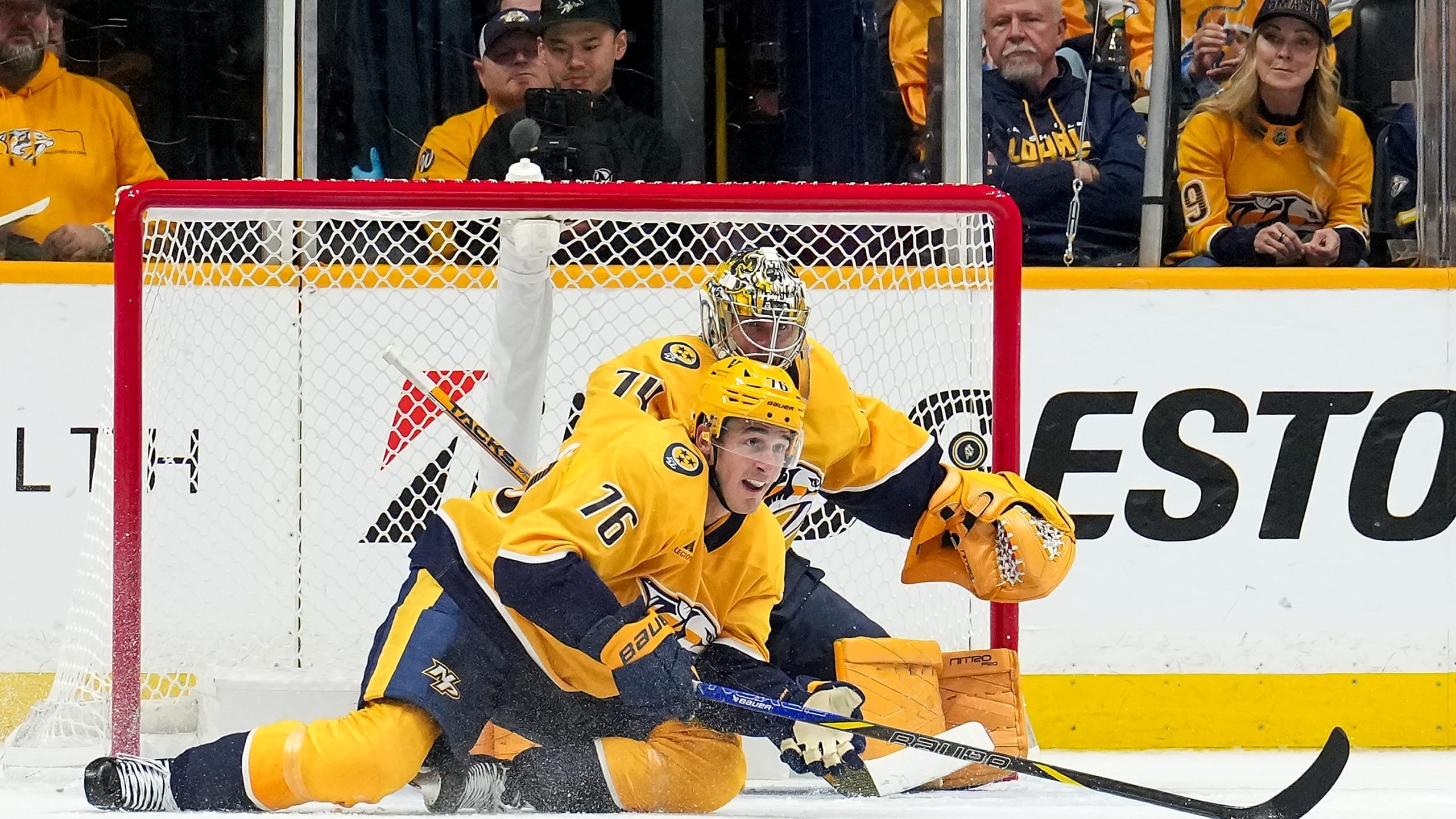
Over a regular season it takes a solid 5v5 team to compete on a consistent basis and rise in the standings. So far in the 2026-27 season, Nashville has not shown the ability to be that type of team. Starting with the various 5v5 offensive metrics per 60 minutes (since not every team has played the same number of games), Nashville is generating:
21.6 shots (29th)
22.4 scoring chances (28th)
10.4 high danger chances (22nd)
2.2 expected goals (28th)
6.4% team shooting percentage (30th)
1.4 goals (31st)
39.3% game time in offensive zone (25th)
That is brutally poor offensive production considering the names that appear at the top of the roster. Looking at offensive zone time, a very average Predators team in 2025-26 was 6th in offensive zone time. It is hard to expect a team with such little time in the offensive zone to create much in terms of scoring chances and goals. Which highlights the defensive analytics for what the Predators are allowing per 60 minutes at 5v5:
28.2 shots (24th)
28.0 scoring chances (21st)
12.0 high danger chances (22nd)
2.6 expected goals (17th)
2.8 goals (23rd)
42.1% game time in defensive zone (24th)
This is called overreaction season because all of this should be taken with a grain of salt. New players, short preseason, tough early competition and injuries are all factors in how the Predators are looking early on. However in every analytical and statistical category above, the Nashville Predators are giving up more than they create and spending significantly more time playing defense than offense. These metrics also confirm the eye test that sees the Predators struggle to defend the front of the net, connect clean passes for zone exit and avoid turnovers.
Looking ahead, it bears watching both from a coaching and execution standpoint that if Nashville hopes to get back towards playoff contention this season there will need to be significant improvement in even strength play. If not, the Nashville Predators could look quite different when the calendar turns to 2027.
Statistics courtesy of Natural Stat Trick and the NHL
