


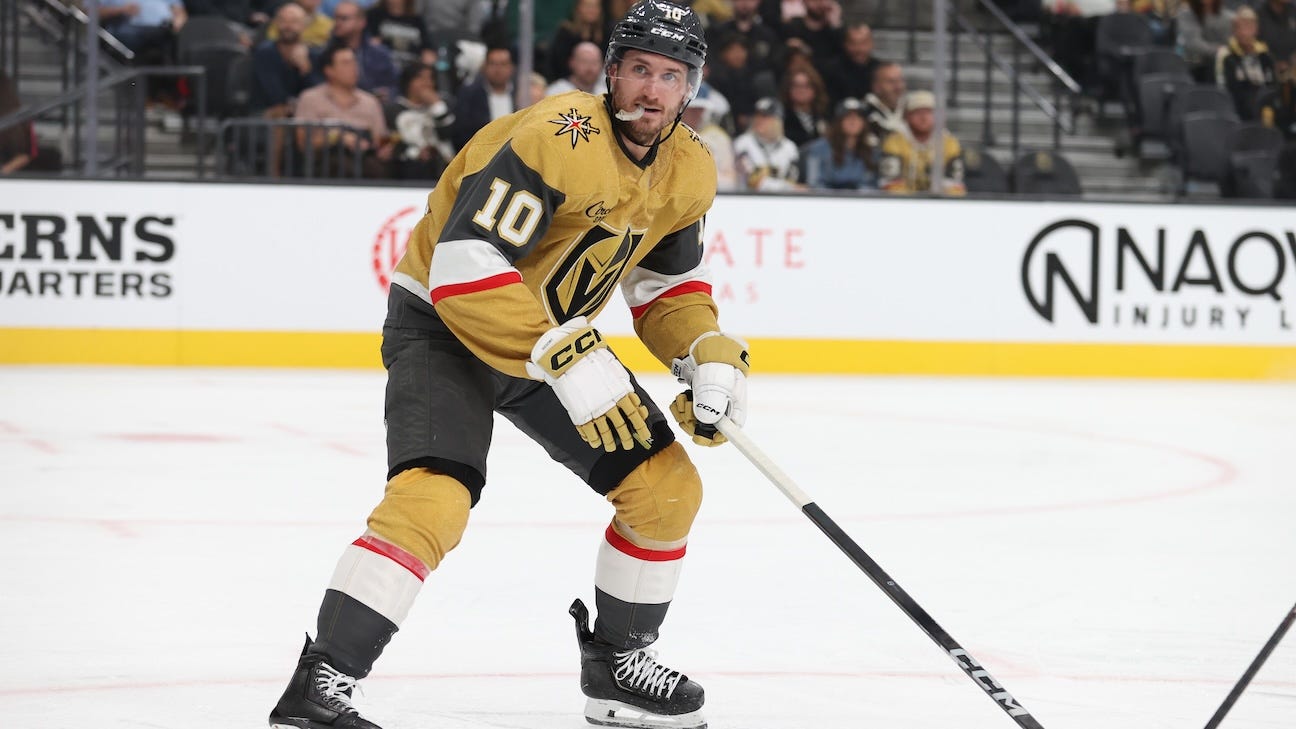
Over the weekend, a post circulated on Twitter detailing how the two Stanley Cup finalists built their rosters, and there was a lot of noise that the two clubs featured just one top-five pick. This, of course, ignores the fact that both teams traded for multiple early first-round picks, but it does provide some insight into the lessons the Nashville Predators can learn—or re-learn—from the Vegas Golden Knights.
I’ve been firmly on the record that a key to Nashville’s future success is bottoming out and securing as many top-five draft picks as they can. But that is not a panacea to their problems, and they have advantages that, if exploited properly, can lead them back to contention.
When Vegas entered the NHL, they began a ruthless path of roster building that broke the traditions of every old-guard manager in the league. They’ve cut ties with fan favorites when the on-ice product needed changing, they’ve taken big swings at nearly every star on the trade market, and they’ve siphoned their future at every turn; of the 15 first-round picks they owned from 2017 through 2028, they’ve traded all but one of them (2024). Anytime a big name has been on the block, they’ve made an offer, picking up Max Pacioretty, Mark Stone, Jack Eichel, Ivan Barbashev, Tomáš Hertl, Noah Hanifin, Rasmus Andersson, and more.
As a result, they’ve made the playoffs in all but one year, making it to two conference finals, two Stanley Cup Finals, and winning a title.
Every year, the hockey world grumbles at Vegas’s lack of loyalty and cutthroat hockey operations. They argue they’ll have no prospect pool down the line, that free agents won’t want to sign with them, and that they’re not doing things the right way. But it turns out, they keep restocking, they keep attracting top talent, and they keep winning. One reason why? It’s a destination city.
Don’t get me wrong, being a desirable place to live isn’t the only key to winning. But Vegas can attract so much talent—despite its perceived reputation—because players want to be there, whether it’s financial considerations, weather, amenities, or anything else.
Fortunately for the Predators, Nashville has this reputation, too. Voices around the league constantly fawn over the city, players who never skated for the Preds retire there, and the community has built itself a positive reputation. With that in mind, it’s time the organization gets back to old habits, takes a note or two from the Golden Knights, and fully unleashes this potential.
At the height of its powers, Nashville used to operate (at least somewhat) in this vein. David Poile flipped a top-five pick in Seth Jones for Ryan Johansen; he traded franchise icon Shea Weber for P.K. Subban; he swapped Patric Hornqvist for James Neal, and more. He was even notorious for limiting trade protection even for the team’s biggest stars.
Since then, however, things have soured. Nashville started chasing big free-agent price tags, focusing on name-brand over value; they got more careless with trade protection; they panicked and jettisoned first-round prospects with little return, and they assigned too much impact to replacement-level skaters.
It’s time to right the ship. Chris MacFarland needs to take their compounding problems and turn them into compounding solutions—with the help of playing in a destination city.
They don’t need to turn full Vegas, but the playbook is there: draft early and well; develop gamebreakers, not role players; flip prospects at the height of their value; take swings at the league’s top players, and don’t get bogged down by following the rules.
